☀️ Due to our logistics partners’ summer break, the current shipping time is 7–8 working days. Thank you for your understanding!
✦
☀️ Due to our logistics partners’ summer break, the current shipping time is 7–8 working days. Thank you for your understanding!
✦
☀️ Due to our logistics partners’ summer break, the current shipping time is 7–8 working days. Thank you for your understanding!
✦
☀️ Due to our logistics partners’ summer break, the current shipping time is 7–8 working days. Thank you for your understanding!
✦
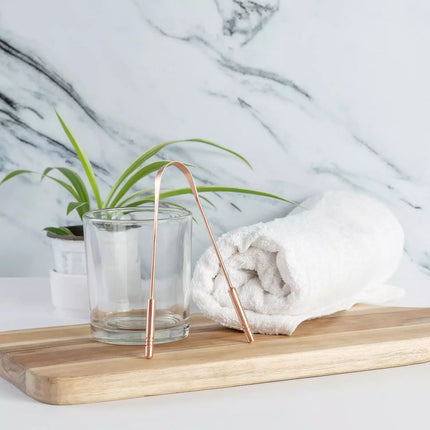
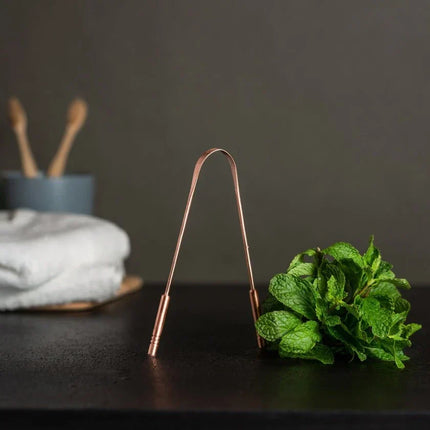
Tongue scraping is an important daily self-care ritual in the centuries-old healing system of Ayurveda. Among the various materials available, the copper tongue cleaner holds a special and respected place because of its exceptional qualities and benefits. In this comprehensive article, we will explore both the significance of tongue cleaning and the advantages of using a copper scraper or cleaner compared to plastic or steel. In addition, you will find a detailed step-by-step guide to help you integrate this traditional Ayurvedic practice into your daily routine with ease.
Pure Copper
Made from high-quality pure copper, durable and long-lasting. A better, sustainable choice.
Ayurvedic Ritual
Ayurveda recommends tongue cleaning as the first step in your morning routine to remove Ama (toxins released by the body).
Antibacterial
Completely clean – pure copper naturally has antibacterial and antimicrobial properties.
Practical & Convenient
A smooth wide edge, comfortable grip, and flexible sides for ease of use.
Zungen Cleaning: Origins and Significance
Tongue cleaning is a practice deeply rooted in history and found across many cultures, including Europe, Africa, India, Arabia, and South America. Archaeological findings show that different civilizations used tools for tongue cleaning. In Indian oral care, the “Datun,” a twig of a fragrant shrub, was used as both a toothbrush and a tongue scraper. While often associated with dental care, some traditions also used the softened or roughened end of the twig for tongue cleaning. This method aimed to remove deposits and bacteria from the tongue surface, contributing to overall oral hygiene.
Oral Care in Ayurveda
The ancient Indian healing system Ayurveda continues to promote tongue cleaning, especially with copper. This practice focuses on the removal of “Ama,” materials associated with a coated tongue. According to Ayurvedic principles, scraping accumulated buildup from the tongue can lead to improved oral health and overall physical balance.
Key Aspects of Tongue Cleaning in Ayurveda
Oral Hygiene: One of the main benefits is improved oral hygiene. Ayurveda emphasizes removing “Ama” (toxins) from the body, and the tongue is seen as a mirror of the digestive system. Cleaning the tongue helps remove buildup, prevent bad breath, and support overall oral health.
Enhanced Taste Sensation: Removing deposits from the tongue can improve taste perception, increasing enjoyment of food and promoting mindful eating, important in Ayurveda for a balanced diet.
Balancing the Doshas: Ayurveda views Vata, Pitta, and Kapha as elemental forces guiding body and mind. Tongue cleaning helps balance these Doshas by removing excess mucus or coating linked to imbalances.
Improved Breath: By removing buildup, tongue cleaning can significantly reduce bad breath.
Body–Mind Connection: Ayurveda highlights the interaction of body and mind. Integrating tongue cleaning into your daily routine supports overall wellbeing and mindfulness.
Benefits of Using a Copper Tongue Cleaner
Natural Antimicrobial Properties: Copper has natural antimicrobial qualities, making it ideal for tongue cleaning. Copper ions effectively inhibit the growth of bacteria, fungi, and other microorganisms. Forrest & Love copper tongue cleaners were lab-tested for antibacterial effectiveness in the mouth, promoting oral hygiene and reducing the risk of bad breath and coating.
Ayurvedic Benefits: Copper is valued in Ayurveda for balancing the three Doshas – Vata, Pitta, and Kapha. Using a copper tongue cleaner not only supports cleaning but also encourages overall wellbeing and inner harmony.
Efficient Cleaning: The unique design of Forrest & Love’s tongue cleaner ensures thorough cleaning of the entire tongue surface. The rounded edge effectively removes buildup without discomfort, while its flexibility adapts to the contours of the tongue for gentle yet deep cleaning.
Durability & Eco-Friendliness: Copper tongue cleaners are known for their durability and resilience. Unlike plastic scrapers that degrade over time, copper ones can last a lifetime. Copper’s recyclability also supports sustainability, making it a great choice for eco-conscious individuals.
By integrating copper into your tongue cleaning routine, you embrace a tradition deeply rooted in history while taking a practical approach to oral health, holistic wellbeing, and environmental awareness.
Step-by-Step Guide to Using a Copper Tongue Scraper
Preparation: Clean your copper scraper before first use with mild soap and warm water. Avoid harsh cleaners as copper reacts to acids. Rinse with water before each use.
Timing: The best time is in the morning, immediately after waking up and before eating or drinking. Overnight, deposits form on the tongue, making this step crucial. Perform before brushing your teeth.
Holding the Scraper: Grip it firmly with thumb and forefinger. A secure hold ensures precise cleaning.
Stick Out the Tongue: Open your mouth and gently extend your tongue, reaching as far back as comfortable.
Scraping Motion: Place the rounded edge at the back of the tongue and gently pull forward with light pressure. This removes toxins and buildup effectively. The flexible sides help adjust to what feels best for you.
Repeat: Scrape four to five times, covering the entire tongue surface. Avoid pressing too hard.
Rinse: Rinse the scraper under running water after each stroke to wash away deposits.
Clean the Scraper: After finishing, wash it with mild soap and water if needed. Dry completely before storing in a clean, dry place.
Hydration: Drink a glass of water afterward to refresh and flush away any remaining residue.
In today’s world, where modern health trends often merge with ancient wisdom, Ayurvedic tongue scraping stands as a timeless practice that aligns with holistic wellbeing. This art, deeply rooted in Ayurveda, bridges tradition and modern self-care. Adopting a copper tongue scraper is not just a routine task – it’s an act of self-love and care that has stood the test of time.
In a world shaped by innovation and modern technology, ancient practices are experiencing a remarkable renaissance. Among them, the copper jug stands out as a timeless vessel that not only embodies tradition and elegance but also offers astonishing health benefits.
The Art of the Copper Jug
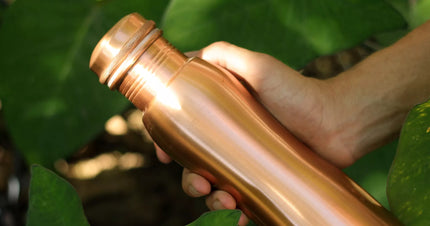
A copper jug is more than just a simple drinking vessel; it is a work of art, handcrafted by skilled artisans. Its subtle elegance and gleaming finish make it a visual delight, allowing it to stand out in any kitchen or dining setting.
Ayurveda and the Copper Jug
The use of copper jugs is deeply rooted in Ayurveda. The principle of “Tamra Jal” teaches that water stored in a copper jug is not only purified but also energized. This “charged” water is believed to offer numerous revitalizing benefits. Copper has natural antibacterial properties that may help reduce harmful bacteria in water.
Copper Jug as a Flower Vase
A copper jug, usually known for refreshing water, takes on a whole new dimension when used as a flower vase. This fusion of nature and craftsmanship creates a unique connection between the vibrant energy of flowers and the timeless elegance of copper. Flowers placed in a copper jug are not only aesthetically pleasing but also tend to last longer. Read our new blog on copper jugs as flower vases →
Care and Use of the Copper Jug
To ensure the longevity and effectiveness of your copper jug, regular care is essential. A simple trick is to clean the jug with a mixture of salt and lemon juice to prevent tarnishing. Find more cleaning tips here →
Conclusion
The copper jug is more than just a drinking vessel; it is a symbol of vitality, tradition, and elegance. The combination of Ayurvedic principles and modern science makes it a fascinating object that not only pleases the eye but can also have a positive impact on health. In a constantly changing world, the copper jug proves that sometimes the old ways are truly the best. Treat yourself to the beauty and revitalizing benefits of this timeless vessel.
In the pursuit of overall health and well-being, Ayurveda, the ancient Indian system of medicine, has provided profound insights and natural remedies. One such simple yet powerful practice recommended by Ayurveda is tongue cleaning. As we dive deeper into the wisdom of Ayurveda, let’s explore the many benefits that arise when you incorporate a tongue cleaner into your daily oral care routine.
Elimination of Ama
In Ayurveda, the tongue is considered a mirror reflecting the health of the internal organs. Overnight, a white or yellowish coating called Ama forms on the tongue. Tongue cleaning helps remove this buildup and prevents its reabsorption into the body. This simple ritual gives your system a boost and promotes overall detoxification.
Enhanced Sense of Taste
According to Ayurveda, digestion begins in the mouth. A clean tongue allows for better taste perception and activates the salivary glands. This, in turn, contributes to more efficient digestion in line with Ayurvedic principles.
Improved Oral Hygiene
Beyond brushing your teeth, tongue cleaning plays a vital role in oral hygiene. It helps remove deposits that accumulate on the tongue’s surface. This not only results in fresher breath but also helps prevent oral health issues.
Balancing the Doshas
In Ayurveda, the doshas—Vata, Pitta, and Kapha—are fundamental energies that govern various physiological and psychological functions. Tongue cleaning is believed to help balance these doshas. For instance, a copper tongue cleaner is often recommended for individuals with excess Pitta due to its cooling properties.
Stimulation of Energy Channels
The tongue is connected to different organs through meridians or energy channels. Tongue cleaning, particularly the ancient practice of tongue scraping, is thought to stimulate these channels.
Strengthening the Mind-Body Connection
Ayurveda emphasizes the connection between mind and body. Tongue cleaning is viewed as a form of self-care that fosters mindfulness. The conscious act of cleaning the tongue each morning can become a meditative practice, promoting grounding and balance throughout the day.
Integrating the Ayurvedic practice of tongue cleaning into your daily routine is a simple yet powerful step toward holistic well-being. As we honor the wisdom of Ayurveda, let us embrace this ancient ritual for a clean tongue and a harmonious balance between mind, body, and spirit. Ultimately, true wellness begins with mindful daily practices that stand the test of time.
When it comes to holistic well-being, proper hydration plays a vital role. Imagine a simple yet ingenious product that revolutionizes your daily drinking experience! Discover the magic of the Copper Infuser, a unique creation by Forrest & Love – crafted from pure copper and cleverly designed to hang effortlessly in any glass jug or carafe. This elegant, feather-shaped infuser is not only a space-saving alternative but also integrates the many benefits of copper into your daily routine.
The Design
The Copper Infuser impresses with a design inspired by the elegance of a feather, seamlessly blending artistry with functionality. Each piece is lovingly handcrafted by our artisans, who skillfully bring out the delicate details of the feather. Made of pure copper, it unites aesthetic appeal with practical functionality. Its feather shape allows it to hang gracefully in any jug or carafe, while the handy hook ensures easy use and removal. This thoughtful design makes it the ideal choice for those looking for a portable solution without missing out on the health benefits associated with copper water.
The Benefits
Antibacterial Power: The natural antibacterial properties of copper make the Copper Infuser a powerful tool to inhibit the growth of harmful bacteria and microbes. When immersed in water, small amounts of copper ions are released, ensuring that your water remains clean, safe, and health-promoting. Whether at home or on the go, this simple yet effective Copper Infuser gives you access to truly pure drinking water at any time.
Alkalizing Effect: Another major advantage is its alkalizing effect. The Copper Infuser slightly raises the pH level of water, making it more alkaline (see scientific studies here). This is particularly beneficial for those following an acidic diet or aiming to balance their doshas according to Ayurvedic principles. Alkaline water is believed to neutralize acidity in the body and support overall wellness. Drinking this alkaline, copper-enriched water is a widespread practice among yogis and Ayurveda experts.
Practical & Space-Saving: Want to switch to copper water but already have too many bottles and jugs at home? The Copper Infuser is THE solution for you! Unlike traditional copper jugs or bottles, the Copper Infuser offers a compact and portable alternative. Its feather-shaped design fits effortlessly into various jugs or carafes, making it especially appealing for those with limited space or a minimalist lifestyle.
The Simple Process
Step 1: ImmerseFill a jug or carafe of your choice with still water. Simply hang the infuser on the rim and make sure it is fully immersed in the water.
Step 2: Let It InfuseLeave the infuser in the water for at least four hours, ideally overnight, so the copper ions can bind with the water. Over a period of 4–12 hours, the Copper Infuser continuously increases the pH value of still water, creating refreshing, naturally alkaline Tamra Jal (copper water).
By simply allowing time to do its work, you unlock the full potential of the Copper Infuser as it transforms your drinking water. Elevate your hydration with this small yet powerful addition to your wellness routine. Make it a nightly habit to place your infuser in a jug of water and wake up the next morning to a revitalizing drink. The Copper Infuser is not only your key to effortless wellness hydration but also a must-have aesthetic accessory in your living space!
What is your drinking bottle actually made of?Ingredients of your copper water bottle
Do you know exactly what materials your current drinking bottle or cup is made of? Especially nowadays, it has become more important to understand the material composition of products that come into contact with food. We are very pleased to be able to clearly answer the question of what our products are made of.
Two substances that often come into focus when it comes to drinking bottles are plasticizers and Bisphenol A, or BPA for short, which are commonly found in plastic bottles. But we make a clear stand against plastic! We offer a healthy and sustainable alternative to plastic bottles that is good for your body as well as for our environment. Our copper bottles are made of more than 99% pure copper, with no inner coating and no inner lining.
But what does the remaining <1% mean? First of all, there is in fact no such thing as 100% pure copper – it is always associated with traces of other metals or alloys. To gain more accurate insights, we had our copper bottles tested by TÜV Rheinland. Laboratory tests confirmed that Forrest & Love copper bottles are toxin-free and food safe (with lead and nickel at just 0.008–0.009% – which means virtually absent!).
It is extremely important to us that the strict regulations in the EU, especially in Germany, regarding products that come into contact with food are met. For this reason, we continue to have our bottles tested and improved. At Forrest & Love, we are completely transparent about the composition of our copper bottles because we produce with a clear conscience – always with a focus on the health of our customers.
Our copper water bottles are marketed by well-known companies such as Greenglam, Pranahaus, Reformhaus Bacher, and Thalia, all of which place great emphasis on environmental protection. But that doesn’t mean you have to miss out on attractive designs or modern colors! Our bottles look beautiful, come in different sizes and designs, and offer the scientifically proven benefits of copper.
How Do I Clean My Copper Bottle?
First-time users often get startled at the slightest spot or discoloration. But there’s no need to worry – as shown in the picture below, this water vessel has turned completely dark on the inside after decades of use. However, the revitalizing Tamra Jal or copper water from the vessel is still enjoyed daily! Such pots or other copper vessels are common in most Indian kitchens – a tradition that has been maintained for generations!
You’re probably also familiar with the bluish-green appearance of copper – from small coins to the Statue of Liberty in New York. This happens because copper doesn’t rust but naturally oxidizes. The oxidation process leads to discoloration or dark spots. This oxidation or patina formation is a natural phenomenon and cannot be avoided. This brings us to the most important and frequently asked question – how can I keep my copper bottle clean? And how often should I clean it?
Cleaning the Inside
Before answering these questions, you should get to know your copper bottle better. The copper surfaces, as well as cups and jugs from Forrest & Love, are made from pure copper. The inside is left untreated and raw so that the drinking water can absorb the positive properties of the copper. Over time, this untreated copper begins to oxidize and develop dark spots. This is easy to clean with a simple method:
Just add 2–3 tablespoons of mild citric acid into the copper vessel (1 tablespoon is enough for a cup), pour in hot water, and let it sit for a maximum of 2–3 minutes. Make sure the mixture doesn’t sit for longer, as the acid can have a damaging rather than a cleansing effect on the copper. Shake it, rinse thoroughly, and dry well before using again. That’s it!
Tip: Since copper is a conductive metal, please use hand protection – the metal can get hot quickly. You can also watch this video for a more detailed cleaning guide.
How Often?
Since copper is naturally antibacterial and self-sterilizing, it doesn’t need to be cleaned frequently. Once every two weeks is sufficient. Alternatively, clean it when the inside shows dark spots. If you notice greenish spots or a metallic or unpleasant taste, you should definitely clean the product first, rinse it several times until the water looks clear and tastes neutral. Over time, the copper will inevitably darken, and some spots won’t come off anymore – but this does not affect the drinking experience. As long as the water remains clear, it is completely safe.
Cleaning the Outside
Unlike the inside, the outside is coated with a food-grade lacquer, giving the copper vessel its elegant shine. Since this lacquer protects the outside from oxidation, detailed cleaning isn’t necessary. Just rinse with plain water and never scrub or put it in the dishwasher. Copper items are not dishwasher-safe. The outer coating can wear off due to scratches or bumps, so handle your copperware with care and love.
If the lacquer wears off over time or due to scratches, the surface is exposed to oxidation, and copper may darken in those areas. In that case, you can rub a slice of lemon sprinkled with salt on the spots (or alternatively use copper polish). Then simply rinse with water and dry thoroughly. The oxidation spots will be removed, and you’ll restore the typical matte-pink copper look. However, once the copper is exposed, it will continue to oxidize and will need occasional cleaning.
In the field of oral hygiene, the traditional practice of tongue cleaning is gaining increasing attention—not only because of its historical roots but also due to its potential scientifically proven benefits. To move beyond anecdotal evidence, Forrest & Love conducted scientific tests to closely examine the tangible effects of integrating a tongue cleaner into daily oral care. Let’s explore the fascinating results that provide insight into the remarkable impact of this age-old practice.
The tests were carried out by a food and water control laboratory, clearly showing that copper tongue cleaners reduce bacterial load in the mouth. The tests were conducted using the swab method.
Total Germ Count / CFU*
Yeast & Mold / CFU*
Coliform Bacteria / CFU*
Reference Method
Before Use
72
Not detected
Not detected
Lab Manual Method M41
After Use
19
Not detected
Not detected
Lab Manual Method M41
Summary of the tests:
Reduction of microorganisms: The main outcome of this scientific test is the significant reduction in the number of microorganisms on the tongue’s surface after using a tongue cleaner. The accumulation of bacteria and fungi decreases noticeably following its use.
Conclusion:The scientific test results support the effectiveness of using a tongue cleaner as a valuable addition to oral hygiene. Beyond the aesthetic benefits of fresh breath and a clean tongue, the findings also suggest potential positive effects on overall well-being.
I acknowledge: If a delivery cannot be completed due to my absence or failure to collect it (e.g. from a parcel shop), and I decline redelivery, I bear the resulting return shipping cost in line with Section 4 of our
Cancellation Policy. If a partial return causes the remaining order value to fall below our free-shipping threshold, the original shipping cost will be deducted from the refund. My statutory right of withdrawal under Section 4 is unaffected.