Choosing a copper water bottle sounds simple - until you actually try to pick one.
Glass, stainless steel, insulated, copper, big, small, minimal, decorative… suddenly you’re 20 tabs deep and still unsure what fits your daily routine. The truth is, the right bottle depends less on trends and more on how you actually live.
Do you commute every day? Practice yoga? Work from home? Travel often? Care about sustainability? Love beautiful objects that feel special in your hands?
This guide will help you figure it out in under two minutes. Grab a pen (or just keep score in your head) and let’s find the bottle that fits your lifestyle - not someone else’s.
The 2-Minute Lifestyle Quiz
For each question, choose the answer that sounds most like you.
1. Where do you drink most of your water?
A. At my desk (home or office).
B. On the go - commuting, running errands, traveling.
C. During workouts, yoga, or outdoor activities.
D. At home, mindfully - often in the morning or evening ritual.
2. What matters most to you in a bottle?
A. Aesthetic and design.
B. Durability and portability.
C. Health benefits and natural materials.
D. Gifting value and uniqueness.
3. How do you usually drink water?
A. Slowly throughout the day.
B. Big sips between meetings.
C. As part of a wellness routine.
D. In a beautiful cup or glass at the table.
4. Are you buying for yourself or someone else?
A. For me.
B. For my partner or family.
C. For someone who loves wellness and relaxation.
D. I’m looking for a meaningful birthday gift.
5. How important is sustainability?
A. Very. I want plastic-free.
B. Important, but it must be practical.
C. Extremely important - natural materials only.
D. I want something long-lasting and timeless.
Now Count Your Letters
Mostly A’s
Mostly B’s
Mostly C’s
Mostly D’s
Scroll down to see your match.
If You Got Mostly A’s: The Stylish Everyday Sipper
You want something that looks good sitting on your desk. You care about materials, but you also care about how it feels in your hand and how it fits your aesthetic.
You might love:
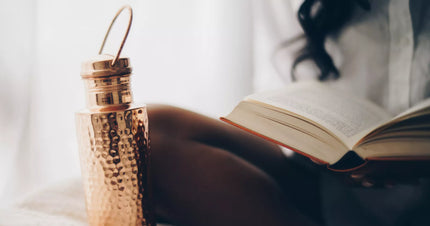
A beautifully handcrafted copper bottle
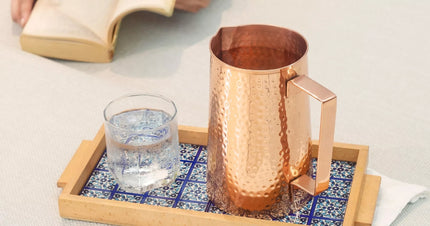
A minimalist copper carafe for home use
A simple copper cup for water during dinner
Why copper works for you:
It develops a natural patina over time.
It feels warm, earthy, and grounded.
It adds character to your space.
It turns hydration into a small ritual.
For daily use, the best copper water bottle is one that’s lightweight, easy to refill, and made from high-quality copper without interior coatings. It should feel solid but not heavy.
If you enjoy mindful mornings, leaving water overnight in a copper vessel and drinking it first thing a copper carafe can become part of your rhythm.
If You Got Mostly B’s: The On-the-Go Minimalist
You’re always moving.
Your bottle needs to:
Fit in a bag.
Survive being dropped.
Be easy to clean.
Look elegant but not fragile.
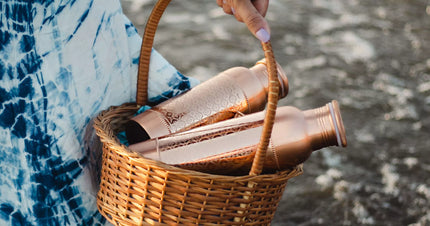
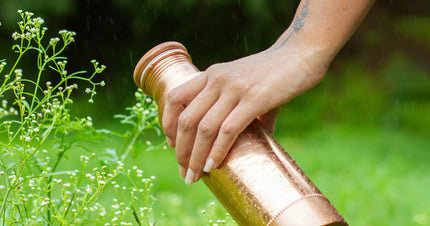
A well-designed copper bottle can absolutely work for this lifestyle - especially if it has:
A secure screw cap.
A slim shape for backpacks.
A smooth interior without coating.
Copper isn’t just about tradition. It’s durable, recyclable, and timeless. If you’re looking for the Best copper water bottle for daily use while commuting, choose one with:
Copper construction.
Leak-proof design.
Medium capacity (around 600–900 ml).
It’s practical, but it also stands out in a sea of plastic bottles.
If You Got Mostly C’s: The Wellness Ritualist
You care deeply about what touches your body.
You read labels. You avoid plastic. You like natural materials. You probably already know about copper’s long history in traditional practices.
For you, hydration isn’t just functional - it’s intentional.
You may enjoy:
Drinking from a copper cup.
Keeping water overnight in a copper jug.
Matching your copper bottle to your wellness setup.
A copper jug at home offers:
Larger capacity for shared use.
A beautiful table presence.
A ritualistic feel in the morning.
Pair it with a copper cup for a complete experience.
If You Got Mostly D’s: The Thoughtful Gift-Giver
You don’t want generic presents.
You want something:
Meaningful.
Sustainable.
Beautiful.
Useful.
Copper makes an unforgettable gift.
Whether you’re looking for:
gifts that feel personal
birthday gifts that aren’t cliché
copper gift sets for weddings or anniversaries
Copper stands out because it blends beauty with purpose.
A curated set might include:
A copper bottle.
A set of matching copper cups.
It feels intentional, not last-minute.
Quick Comparison Table
Lifestyle Type
Best Option
Why It Works
Ideal For
Desk & Home
Copper bottle or Copper Cup
Beautiful, ritual-friendly
Work-from-home professionals
On-the-Go
Slim Copper Bottle
Durable and leak-proof
Commuters, travelers
Wellness-Focused
Copper jug + Copper Cup
Traditional and intentional
Yoga lovers, mindful routines
Gift-Giver
Copper Gift Sets
Elegant and meaningful
Birthdays, anniversaries
Why Copper Is Different
Let’s talk honestly.
Copper isn’t just trendy. It’s ancient. It has been used for centuries in households across cultures.
Here’s what makes it special:
It’s naturally antimicrobial.
It’s 100% recyclable.
It ages beautifully.
It contains no plastic.
It feels substantial in your hand.
Over time, copper develops a patina. Some people polish it regularly. Others let it darken naturally. Both are correct. It’s part of the material’s charm.
How to Choose the Best Copper Water Bottle for Daily Use
Before buying, check:
Is it made from copper?
Does it have interior lacquer or coating?
Is the cap secure?
Is the weight manageable?
Is the design timeless?
For daily use, comfort matters. You’ll be holding it multiple times a day. It shouldn’t feel like a burden.
If you prefer drinking at home, you might not even need a bottle. A Copper Jug or Copper Cup could be enough.
When a Copper Cup Makes More Sense
Sometimes you don’t need portability.
If you mainly drink at:
The dining table.
Your desk.
Your bedside.
During tea breaks.
Then a copper cup is simple, elegant, and practical.
It’s also perfect for hosting guests. Serving water in copper feels warm and welcoming.
Copper as a Meaningful Gift
When choosing gifts for her, consider what feels personal.
A copper bottle isn’t just a bottle. It says:
I care about your health.
I value sustainability.
I chose something lasting.
For birthday day gifts for her, a copper gift set feels thoughtful without being over-the-top.
It’s especially meaningful for:
Yoga lovers.
Wellness enthusiasts.
Eco-conscious women.
People who love handmade design.
Caring for Your Copper
Maintenance is simple.
To clean:
Use lemon and salt.
Or vinegar and baking soda.
Rinse thoroughly.
Dry completely.
Avoid:
Dishwasher use.
Carbonated drinks.
Storing acidic liquids.
With proper care, copper lasts for years.
Conclusion: Find Your Match with Forrest & Love
Hydration is personal.
The right bottle fits your rhythm - not the other way around.
Whether you’re searching for the Best copper water bottle for daily use, a handcrafted Copper Cup for your home, a Copper Carafe for mindful mornings, or elegant Copper Gift Sets for meaningful presents, the key is choosing something that aligns with how you live.
At Forrest & Love, you’ll find thoughtfully crafted copper pieces designed to blend tradition, sustainability, and modern design. If you’re ready to upgrade your daily hydration - or surprise someone with unforgettable gifts for her - explore the collection and choose the piece that feels right.
Sometimes the smallest daily ritual makes the biggest difference.
Key Takeaways
Your lifestyle determines the best water vessel for you.
Copper offers sustainability, durability, and beauty.
A Copper Carafe or Copper Cup works well for home rituals.
Copper Gift Sets make meaningful and lasting presents.
Choosing high-quality copper ensures the best experience.
FAQs
1. Is it safe to drink water from a copper bottle every day?Yes, when used properly and cleaned regularly, copper bottles are safe for daily water storage.
2. How long should water stay in a copper bottle? Many people leave water overnight (6–8 hours) before drinking.
3. Can I store juice in a copper bottle? It’s best to avoid acidic liquids like juice or lemon water.
4. How do I clean a Copper Container? Use natural cleaners like lemon and salt, rinse well, and dry thoroughly.
5. Are Copper Bottles good birthday gifts?Absolutely. They are practical, beautiful, and meaningful - perfect as birthday gifts for her or thoughtful gifts on special occasions.